
Most people should visit a dentist for a check-up every six months. This recommendation helps maintain good oral health by detecting cavities, gum disease, and other dental problems early,
often before symptoms develop. Regular dental check-ups help detect problems early, often before symptoms appear, making treatment simpler, less invasive, and more affordable.
If you've ever wondered, "How often should I see a dentist?" you're not alone. It's one of the most common questions patients ask. While the six-month guideline is appropriate for many people, some may benefit from more frequent visits, while others with excellent oral health may require fewer appointments. This guide explains the recommended frequency for dentalcheck-ups, the factors that influence how often you should visit, and what happens during a routine dental examination so you can make informed decisions about your oral health.
For the average person with healthy teeth and gums, a check-up every six months has long been the standard recommendation among dental professionals worldwide. There is a practical reason behind this timeframe: plaque that is not removed through daily brushing and flossing can harden into tartar within a few months, and tartar can only be removed by a dental professional using specialised tools.
Modern dental guidance has shifted away from treating the six-month interval as a fixed rule for everyone. Instead, dentists are encouraged to tailor each patient's recall interval to their individual risk of developing oral disease. In practice, this means:
● Patients with excellent oral hygiene, no cavities, and healthy gums may be advised to come in once a year
● Patients with ongoing issues such as gum disease, frequent cavities, or certain health conditions may need a check-up every three to four months.
This is why the most accurate answer to "how often should I visit the dentist" usually starts with a conversation, not a calendar.
Your dentist will usually consider the following when recommending how often you should come in:
● Cavity & oral hygiene history: Frequent cavities or visible plaque buildup often call for closer monitoring.
● Gum (periodontal) disease: A history of gingivitis or periodontitis usually means more frequent cleanings to keep the condition stable.
● Smoking or tobacco use: Tobacco use raises the risk of gum disease and oral cancer, both of which benefit from closer screening.
● Diabetes & other conditions: Diabetes, heart disease, and some autoimmune conditions can increase the risk of gum problems.
● Pregnancy: Hormonal changes can worsen gum inflammation, making regular check-ups during pregnancy worthwhile.
● Braces, aligners, or recent dental work: Active orthodontic treatment or recent implants and root canals often need closer follow-up.
● Age: Growing children and older adults are both more prone to rapid changes in oral health.
● Weakened immune system: A reduced ability to fight infection can make small dental issues progress faster.
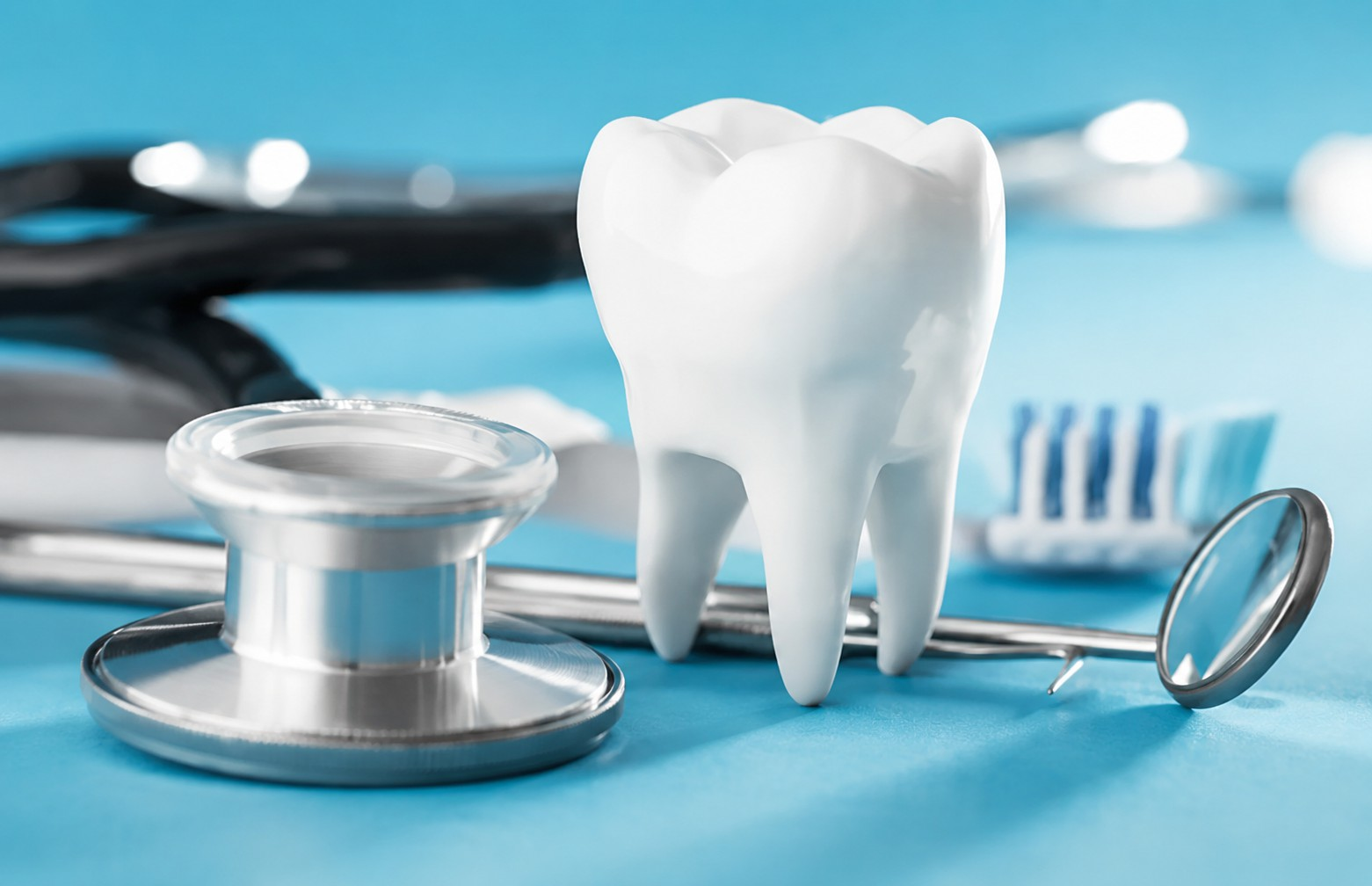
A check-up is more than a quick look in your mouth. A typical visit includes:
● A full oral examination of your teeth, gums, tongue, and soft tissues.
● Digital and CBCT imaging when needed, to see what isn't visible to the naked eye read more about our CBCT X-ray diagnostics.
● Professional cleaning (scaling and polishing) to remove plaque and tartar that brushing alone cannot reach.
● A gum health screening to check for early signs of periodontal disease.
● An oral cancer screening, a quick but important part of every check-up.
● Personalised advice on brushing, flossing, and diet, plus a recommended date for your next visit.
If you mention jaw clicking, headaches, or teeth grinding, your dentist may also assess you for TMJ-related issues. For teenagers and young adults, a check-up is also a good time to evaluate wisdom tooth development.
Regardless of when your next appointment is due, book a visit sooner if you notice any of the following:
● Bleeding, swollen, or tender gums
● Persistent bad breath that doesn't go away with brushing
● Tooth pain or sensitivity to hot, cold, or sweet foods
● Visible dark spots, chips, or cracks on a tooth
● A tooth that feels loose or shifts position
● Jaw pain, clicking, or difficulty opening your mouth fully
● Mouth sores or ulcers that last longer than two weeks
Why this matters: Many dental problems, including early decay and gum disease, develop silently with little to no pain. Waiting for discomfort before booking a visit often means the problem has already progressed.
Oral health is closely connected to your overall health. Research has linked untreated gum disease to a higher risk of heart disease and complications related to diabetes. Beyond the
health benefits, catching problems early is also significantly less expensive than treating advanced decay, infections, or tooth loss. And, of course, regular cleanings and check-ups help keep your smile brighter something many patients enhance further with professional teeth whitening or dental veneers.
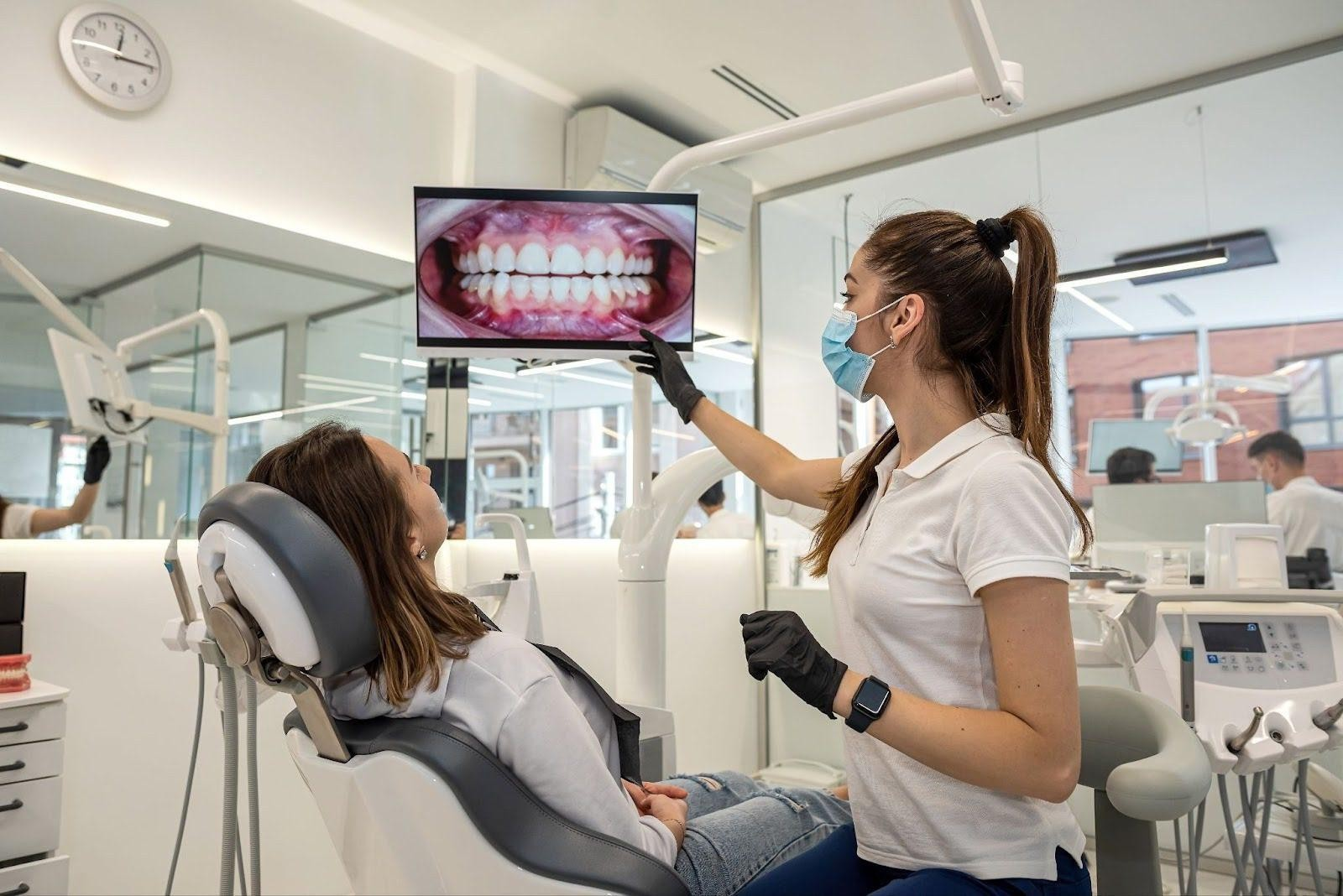
Regular dental check-ups are one of the most effective ways to maintain healthy teeth and gums throughout life. While a six-month visit is a good guideline for many people, the right schedule depends on your oral health, lifestyle, and individual risk factors. Routine dental examinations allow potential problems to be identified early, helping you avoid discomfort, complex treatments, and unnecessary expenses in the future.
At Baniyas Medical Clinic, our experienced dental team provides comprehensive dentalcheck-ups tailored to your individual needs. We take the time to assess your oral health, identify any concerns, and recommend a personalized preventive care plan designed to keep your smile healthy for years to come.
Contact Baniyas Medical Clinic today to schedule your dental check-up and take a proactive step toward better oral health and lasting confidence in your smile.