Guided dental implants use 3D imaging and digital planning to help dentists plan the position, angle and depth of an implant before surgery. Replacing a missing tooth involves more than placing an artificial root in the jawbone. The dentist also needs to assess the bone, nearby structures such as nerves and sinuses, the bite and the final crown or bridge.
By combining CBCT imaging, digital scans and computer-assisted planning, clinicians can study the treatment site in three dimensions and plan the implant around the final restoration. Whether this approach suits you depends on your oral health, bone anatomy and treatment needs. This guide explains how guided dental implant treatment works, who it may suit and what to expect.
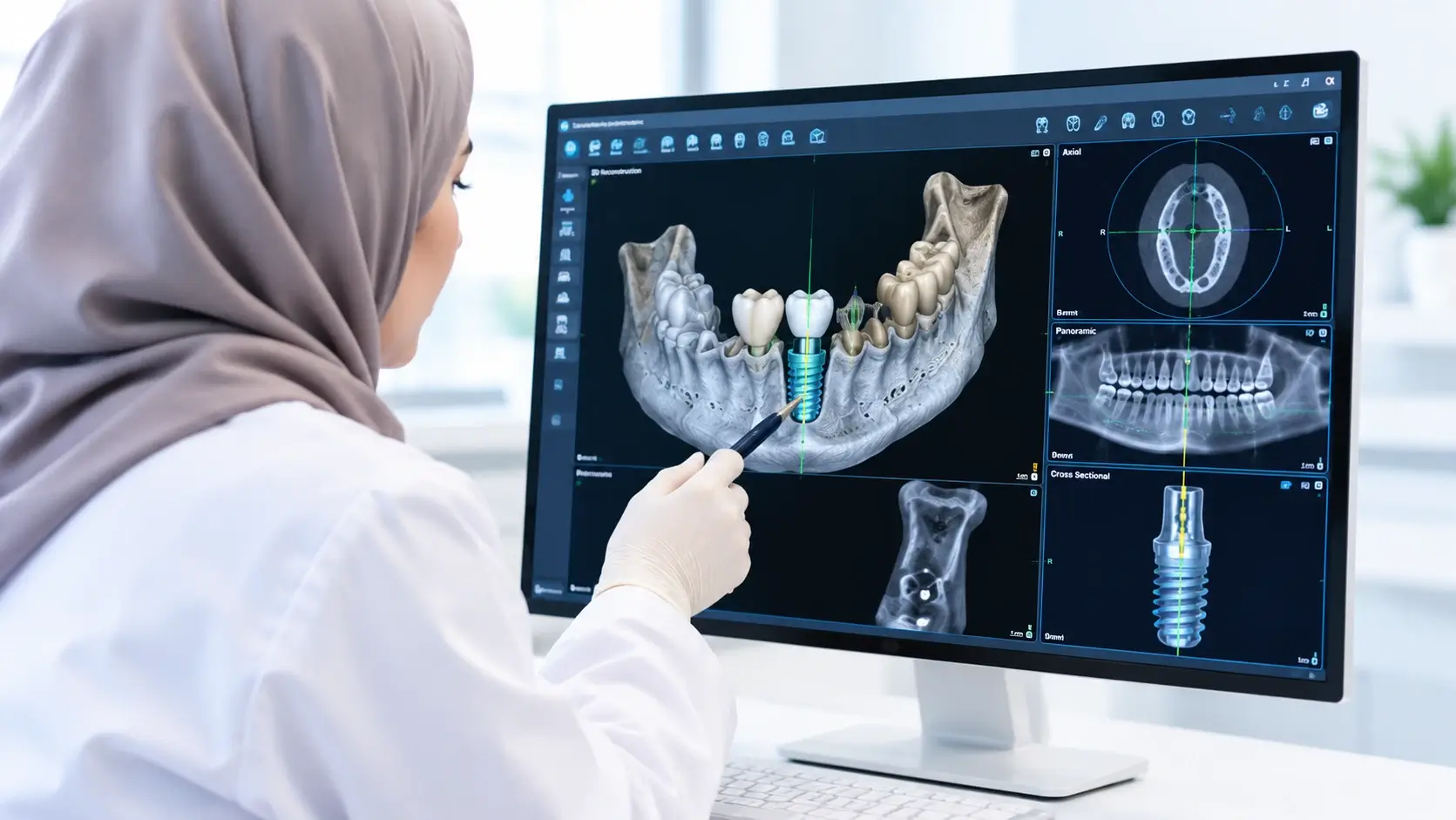
Guided dental implants involve planning implant placement using digital imaging and a computer-assisted workflow. Based on the selected technique, the dentist may use a custom-made surgical guide or a dynamic navigation system to help transfer the planned implant position to the patient’s mouth.
Unlike an approach based primarily on visual assessment during surgery, computer-guided implant placement allows the clinician to study the treatment site and plan the intended position, angle, and depth before the procedure.
The aim is to coordinate implant placement with the available jawbone and the design of the final crown, bridge, or implant-supported prosthesis. This is known as prosthetically driven implant planning.
Planning happens before surgery, in four stages:
Titanium is one of the most widely used materials for dental implant fixtures because it is biocompatible and can bond with the surrounding jawbone through a process called osseointegration. The implant fixture acts as an artificial tooth root, while an abutment connects it to the final crown or other restoration.
Dental implant systems may use commercially pure titanium or titanium alloys, depending on the manufacturer and product design. The crown placed above the implant may be made from materials such as zirconia or porcelain-based ceramics, depending on the patient’s needs.
Three-dimensional planning gives dentists a more detailed view of the implant site than a conventional two-dimensional image alone. It supports treatment decisions by helping clinicians assess anatomical structures and plan the intended implant position.
This information is particularly important when planning around areas such as the mandibular nerve or the maxillary sinus. The dentist can use the findings to determine whether the proposed implant position is appropriate or whether additional treatment planning is required.
Digital implant planning software allows the clinician to assess the proposed implant’s position, angulation, and depth before the procedure begins.
The implant can be planned in relation to the available bone and the intended restoration. This helps the dental team consider how the final tooth will fit into the bite and align with neighbouring teeth.
Computer-assisted workflows have demonstrated improved implant placement accuracy compared with freehand approaches in systematic reviews. However, the degree of accuracy varies with the technique, clinical conditions, and operator experience.
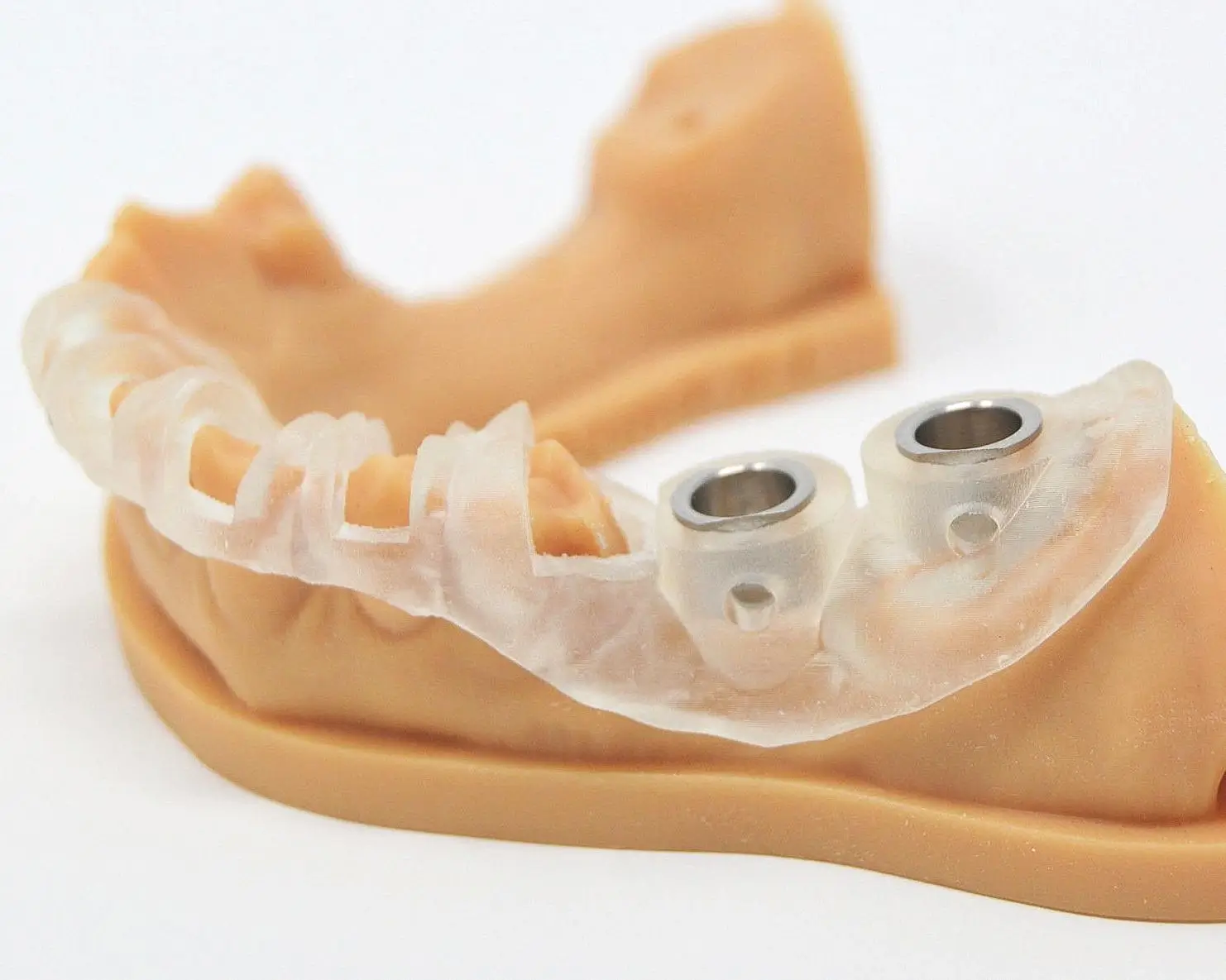
In static guided implant surgery, a surgical guide is designed from the digital treatment plan. It fits over the patient’s teeth or another suitable supporting structure and helps guide the instruments used during implant placement.
The guide helps transfer the planned position to the clinical setting. Its effectiveness depends on accurate planning, appropriate support and fit, correct positioning, and the specific guided surgery protocol.
Not every implant case requires a surgical guide. The dentist determines whether static guidance, dynamic navigation, or another placement technique is most appropriate.
An implant must support a restoration that functions comfortably and fits the patient’s bite. Its position can influence the design of the crown or bridge, the access needed for cleaning, and the appearance of the finished tooth.
Digital planning allows the dentist to consider the intended restoration alongside the underlying bone and implant position. This integrated approach can help identify potential restorative challenges before surgery.
You may be a candidate if you are missing one or more teeth and have healthy gums and enough jawbone, or a plan to rebuild it. Guided surgery is often considered for multiple implants, full-arch cases, or sites close to the nerve or sinus.
It may not suit everyone. Limited mouth opening, uncontrolled gum disease or certain health conditions can change the plan. A clinical exam and 3D scan are the only way to confirm.
You will have a consultation and CBCT scan, then a planning review, and then surgery once your guide is ready. Implant placement is done under local anaesthesia. Because the plan is set in advance, the surgical step is usually more controlled, and some cases can be done through a small opening without large gum incisions, when your anatomy allows.
Afterwards, mild swelling or soreness is common. Follow your dentist’s aftercare instructions, keep the area clean and attend review visits while the implant integrates with the bone. Healing time varies from person to person.
Guided dental implants can have a high success rate, but no implant procedure is guaranteed to succeed. Failure may occur when an implant does not integrate properly with the jawbone or loses its stability after placement. Complications can develop during early healing or later in the implant’s lifespan.
Several factors may affect implant healing and long-term stability:
Three-dimensional planning helps the dentist assess the implant site and plan placement, but it cannot eliminate these risks. Contact your dentist if you experience persistent or worsening pain, increasing swelling, bleeding around the implant, discharge, an unpleasant taste, or movement of the implant or its restoration. Early assessment can help identify the cause and determine whether treatment is required.
No. Guided implant surgery can improve the accuracy of transferring a digital plan to the patient’s mouth, but it does not guarantee a complication-free procedure or long-term implant success.
The final outcome also depends on diagnosis, surgical skill, bone and gum health, implant stability, healing, restoration design, and ongoing oral hygiene. A surgical guide can have limitations, and the actual implant position may differ from the digital plan.
Patients should discuss the expected benefits, potential risks, alternatives, and follow-up requirements with their treating dentist before deciding on treatment.
Successful guided dental implant treatment depends on more than accurate placement. Daily oral hygiene, appropriate healing care, and regular professional monitoring are essential for protecting the tissues around the implant.
Once healing is complete, clean around the implant daily using the toothbrush, interdental brush, floss, or other cleaning aids recommended for your restoration.
Regular dental implant check-ups help identify inflammation, bone changes, hygiene problems, and mechanical issues before they become more serious.
The schedule is individualised. Patients with a history of gum disease or other risk factors may need more frequent maintenance appointments.
At Baniyas Medical Clinics, you can discuss guided dental implant treatment with Dr. Imad, our implantologist, and our dental team. Where clinically indicated, we use digital imaging and 3D planning to assess your jawbone, nearby anatomy and the planned implant position before surgery. We use Italian-made titanium dental implants, a material designed to integrate with the jawbone through a process called osseointegration. Depending on your needs, an implant can support a custom-made crown, bridge or denture to help restore function.
Long-term success depends on several factors, including bone and gum health, surgical planning, implant selection, oral hygiene and regular follow-up visits. Dental implants have high success rates overall, but results vary from person to person. We will explain the expected benefits, risks and alternatives before you decide.
If you are considering replacing missing teeth, contact us to book a consultation. We will assess your oral health, discuss suitable implant options, treatment time and healing, and explain how to care for your implant afterwards.
Guided surgery follows a plan made on a 3D scan, which helps keep the implant's position, angle and depth consistent with that plan. Accuracy still depends on a good scan, careful planning and the dentist's skill.
The procedure is done under local anaesthesia, so you should not feel pain during it. Some soreness afterwards is common, and your dentist will explain how to manage it.
No. Suitability depends on bone volume, gum health, how wide you can open your mouth and your overall health. Your dentist confirms this after examining you and reviewing your 3D scan.
Yes. The 3D scan is what the digital plan and surgical guide are built from, so it is a required first step.
Your Smile,
Our Priority
Latest Blogs
Category
Let us help you achieve a healthy, radiant smile!