Dental implants are often described as a permanent solution for missing teeth, but “permanent” doesn’t mean “maintenance-free”. How long an implant lasts depends on the implant itself, the crown attached to it, and how well it’s cared for over time. If you’re considering implants or you’ve just had one placed, knowing what to realistically expect can make the process far less stressful.
This guide covers implant lifespan, the recovery timeline stage by stage, and the aftercare habits that make the biggest difference in how long your implant lasts.
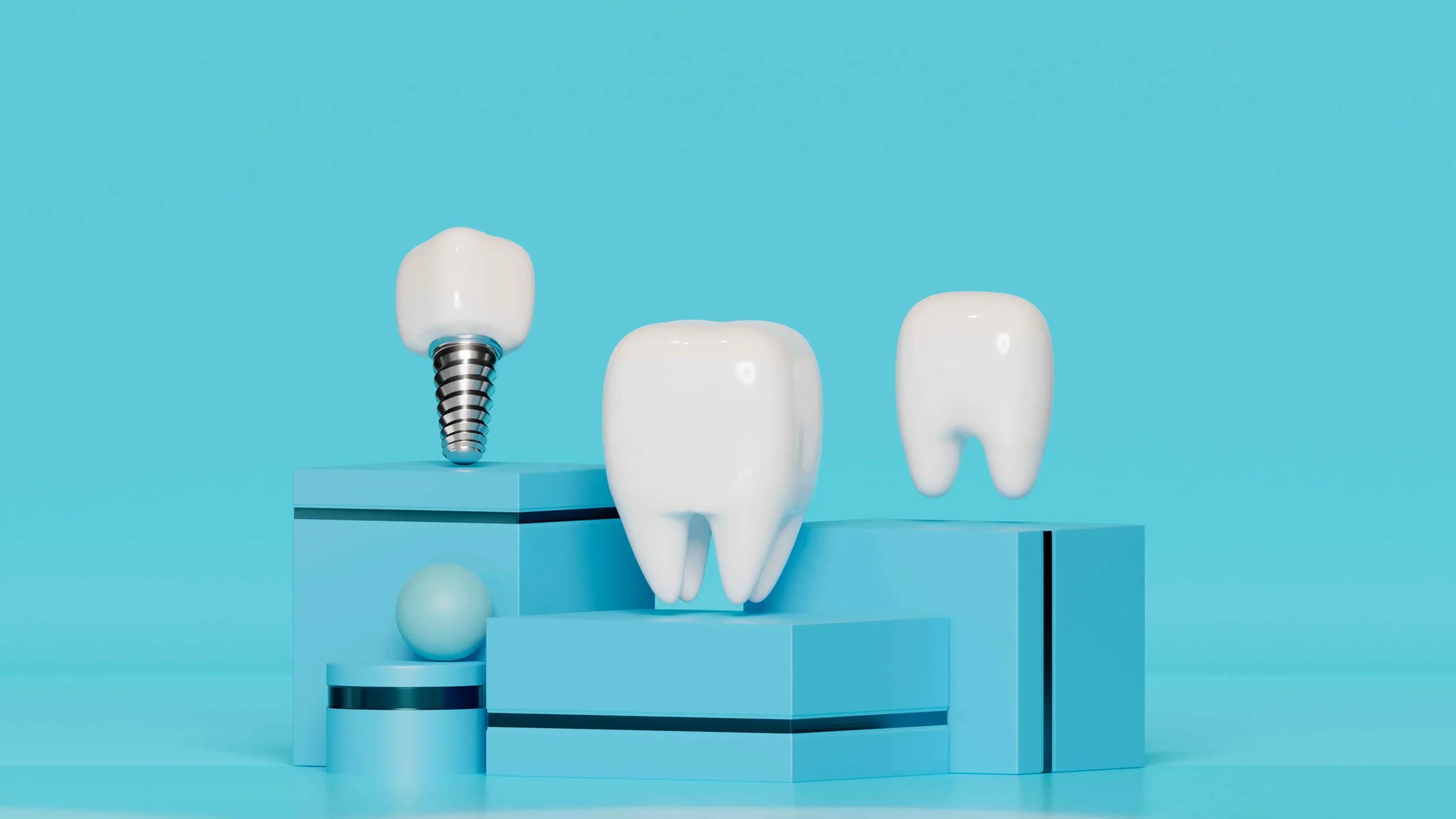
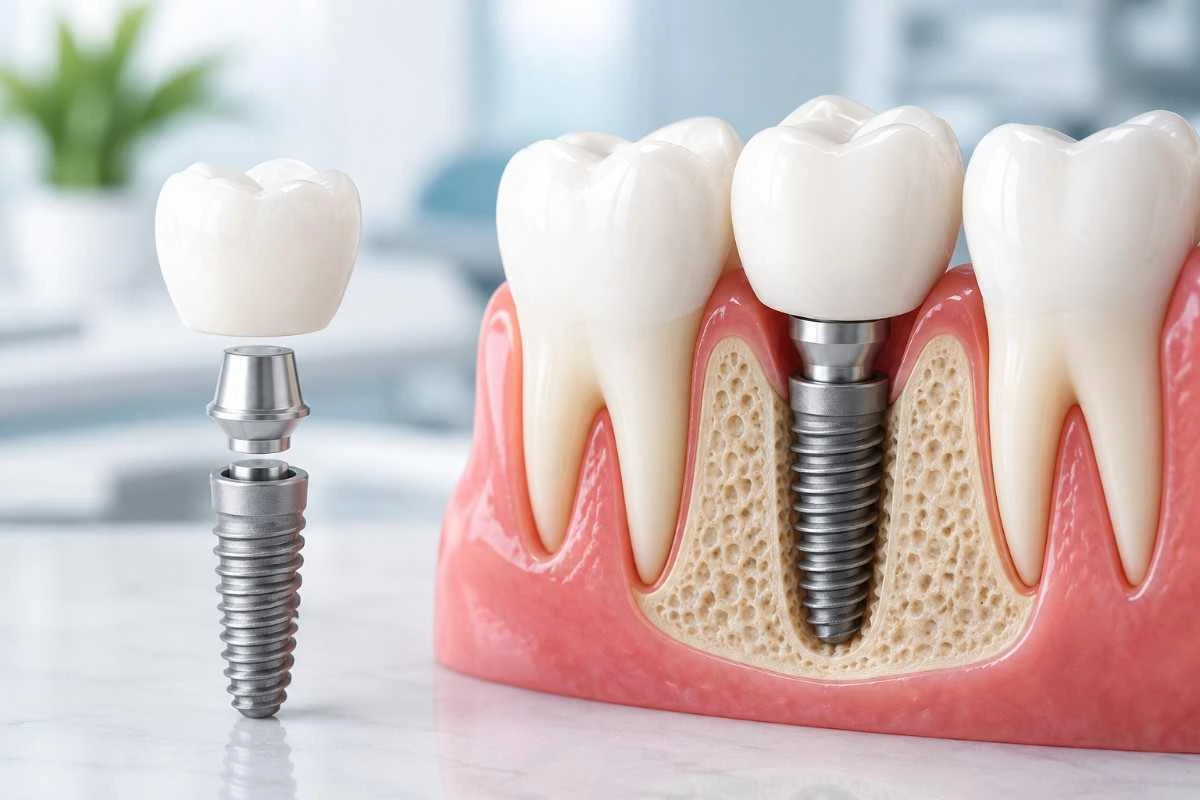
The titanium implant post the part fused to the jawbone is designed to last a lifetime in most patients, provided the surrounding bone and gum tissue stay healthy. The crown attached on top, however, has a shorter lifespan and typically lasts 10 to 15 years before it may need replacement due to normal wear.
With good oral hygiene, regular dental checkups, and no underlying health complications, implant success rates are consistently high, and many patients keep their implants for decades without issue.
What Affects Implant Lifespan
Recovery timelines follow standard clinical guidelines for dental implant healing, though the exact duration varies by patient.
First 24–72 Hours
Swelling, mild bleeding, and discomfort are normal immediately after surgery. Pain is usually manageable with prescribed or over-the-counter medication, and applying a cold compress helps reduce swelling.
First 1–2 Weeks
Initial soft tissue healing occurs. Most patients return to normal daily activities within a few days, though strenuous exercise is typically avoided for at least a week.
2–6 Weeks
Gum tissue continues to heal around the implant site. Any stitches (if used) dissolve or are removed, and discomfort should be largely gone by this stage.
3–6 Months: Osseointegration
This is the most critical phase the implant post gradually fuses with the jawbone in a process called osseointegration. This determines the long-term stability of the implant and cannot be rushed.
Final Restoration
Once osseointegration is confirmed, the abutment and crown are placed, completing the implant. From this point, the implant should function like a natural tooth.
Right After Surgery
Long-Term Care
Catching these early significantly improves the chances of resolving the issue without losing the implant.
Dental implants can offer a reliable and long-lasting solution for missing teeth when they are properly planned, placed, and maintained. The dental implant lifespan can vary depending on oral hygiene, bone health, lifestyle habits, and regular dental care. Following your dentist’s aftercare advice, maintaining good oral hygiene, and attending routine check-ups can help support the long-term success of your implants.
At Baniyas Medical Clinics, our dental team provides personalised implant care based on your oral health and individual treatment needs. If you are considering dental implants in baniyas or want to understand more about implant recovery and aftercare, our team can evaluate your needs and guide you through the appropriate treatment options.
The implant post itself can last a lifetime with proper care, while the crown on top typically lasts 10 to 15 years before needing replacement due to normal wear.
Discomfort is usually mild to moderate and manageable with medication. Most patients report the pain is less intense than they expected, peaking in the first few days and easing quickly after.
Initial healing takes about 1–2 weeks, but full integration with the jawbone (osseointegration) typically takes 3–6 months before the final crown is placed.
Yes, though it's uncommon. Implant failure years later is usually linked to untreated gum disease, bone loss, smoking, or excessive grinding, which is why ongoing care and checkups matter.
Avoid hard, crunchy, or sticky foods in the initial healing period, and stick to soft foods like yogurt, mashed vegetables, and soups until your dentist confirms it's safe to resume a normal diet.
Not special products, but consistent care brushing, flossing, and periodic professional cleanings is essential to prevent gum disease, which is the most common cause of implant complications.
Some tightness or minor sensitivity is normal early on, but any noticeable looseness or movement should be checked by a dentist promptly, as it could indicate a healing issue.
Your Smile,
Our Priority
Latest Blogs
Category
Let us help you achieve a healthy, radiant smile!
WhatsApp us