Braces are a common orthodontic treatment used to straighten teeth, correct bite problems, and improve overall dental alignment. Crooked, crowded, or widely spaced teeth can sometimes make brushing and flossing more difficult and may affect the way the upper and lower teeth come together. Orthodontic treatment helps gradually guide the teeth into more suitable positions, supporting both the appearance and function of your smile.
Today, braces are available in several forms, giving patients more choices than traditional metal braces alone. Depending on your needs and preferences, options may include metal braces, ceramic braces and lingual braces. Each type works in a slightly different way and offers its own advantages in terms of appearance, comfort, convenience, and treatment requirements.
Understanding the different types of braces can help you know what to expect from orthodontic treatment. However, the most suitable option depends on factors such as your tooth alignment, bite, age, oral health, and the complexity of the correction required. An orthodontist can examine your teeth and recommend a treatment option that matches your individual needs and smile goals.

Braces are orthodontic appliances that gently move teeth into better positions over time. They work by applying controlled pressure to specific teeth, gradually improving their alignment and helping correct issues such as crooked teeth, crowding, gaps, and certain bite problems.
Braces do not move teeth overnight. The process takes time, and your orthodontist will monitor your progress through regular appointments. Treatment duration can vary depending on your age, dental condition, bite, and the amount of tooth movement needed.
Following your orthodontist’s instructions and maintaining good oral hygiene throughout treatment can help support better results and keep your teeth and gums healthy.
Braces are available in different designs to suit various orthodontic needs and personal preferences. While all types aim to improve tooth alignment, they differ in appearance, how they are fitted, and how they are used. Your orthodontist can help you understand the options and recommend the most suitable type based on your smile and treatment needs.
Metal braces are one of the most common types of fixed orthodontic treatment. They use metal brackets and wires to apply gentle, controlled pressure that gradually moves the teeth into better positions.
They can be used to address various alignment and bite concerns and are suitable for many children, teenagers, and adults. Regular orthodontic appointments help monitor progress and make necessary adjustments throughout treatment.
Key features of metal braces include:
One of the main benefits of metal braces is their ability to provide precise control over tooth movement. The brackets and wires work together to gradually guide teeth into their desired positions. They are commonly used to address crowded teeth, gaps, and various bite problems, making them a reliable option for many orthodontic cases.
Ceramic braces work in a similar way to traditional metal braces but use clear or tooth-coloured brackets. This makes them less noticeable while still providing the benefits of fixed braces.
They may be suitable for teenagers and adults who want a more discreet treatment option. Ceramic braces can help correct several alignment and bite problems, depending on the patient’s individual condition.
Key features of ceramic braces include:
Lingual braces are placed on the inner surface of the teeth, making them less visible when you smile. They use brackets and wires to apply controlled pressure and gradually move the teeth.
A benefit of lingual braces is their discreet appearance. However, because they are positioned close to the tongue, patients may need some time to adjust to them.
Key features of lingual braces include:
Braces can do more than improve the appearance of your smile. By gradually moving teeth into better positions, orthodontic treatment can improve alignment, bite, and overall oral function. Depending on your individual needs, braces may help:
The benefits of braces can vary depending on your teeth, bite, and overall orthodontic needs. An orthodontist can assess your condition and recommend a suitable treatment plan for achieving healthier tooth alignment and a well balanced smile.
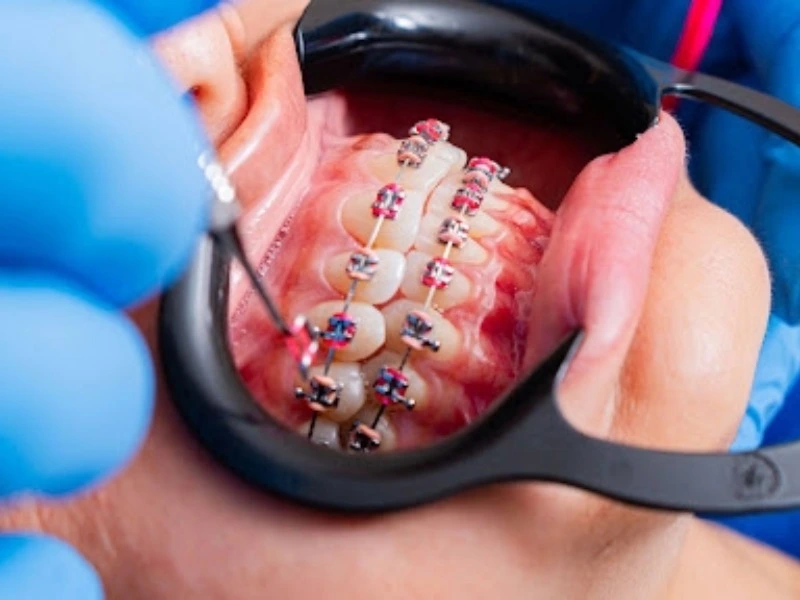
Choosing the right braces involves more than considering their appearance. An orthodontist will assess your teeth, bite, jaw alignment, and overall oral health to determine which orthodontic treatment is most suitable for you.
During an orthodontic assessment, your orthodontist may consider:
Based on your individual assessment, the orthodontist can explain the different types of braces available, discuss their advantages and limitations, and recommend an option that fits your dental needs, treatment goals, and lifestyle.
Choosing the right orthodontic treatment depends on more than appearance. Your teeth alignment, bite, dental needs, treatment goals, and lifestyle all play a role in determining the most suitable option. Metal braces, ceramic braces and lingual braces can each provide effective teeth alignment in appropriate cases.
If you are considering braces in Abu Dhabi, Baniyas Medical Clinics can help you explore your orthodontic treatment options. An orthodontist can evaluate your teeth and bite, explain the available types of braces, and recommend a personalized treatment approach based on your individual needs and smile goals.
During your consultation, you can also discuss treatment duration, expected results, daily care requirements, and what to expect throughout the orthodontic process. Understanding these factors can help you make a more informed decision and feel more confident about starting treatment. Regular follow-up appointments and good oral hygiene can also support steady progress and healthy teeth and gums throughout your orthodontic journey.
Common options include traditional metal braces, ceramic braces and lingual braces. Each option has different features, appearance, and suitability depending on the patient's orthodontic needs.
Braces apply gentle, controlled pressure to the teeth over time. This gradually moves the teeth into better positions and helps improve overall alignment and bite.
Braces can benefit children, teenagers, and adults with concerns such as crowded teeth, gaps, crooked teeth, or bite problems. An orthodontic assessment can help determine the most suitable treatment.
Braces can improve tooth alignment, bite function, oral hygiene, and the appearance of your smile. Properly aligned teeth can also be easier to clean and maintain.
Yes. Depending on your condition, alternatives may include ceramic braces or lingual braces. Your orthodontist can recommend an appropriate option after an examination.
The choice depends on your dental condition, treatment goals, lifestyle, aesthetic preferences, and orthodontist's recommendation. A consultation is the best way to identify the right option.
Yes. Orthodontic treatment can help address several bite concerns, including overbite, underbite, crossbite, and other alignment problems.
Consider the type of braces, expected treatment duration, daily cleaning requirements, follow-up appointments, dietary changes, and overall treatment goals before starting orthodontic treatment.
Yes. By gradually correcting tooth alignment and certain bite concerns, braces can help create a more balanced and attractive smile.
An orthodontic consultation allows the dentist or orthodontist to assess your teeth and bite and discuss suitable treatment options based on your individual needs.
Your Smile,
Our Priority
Latest Blogs
Category

Let us help you achieve a healthy, radiant smile!